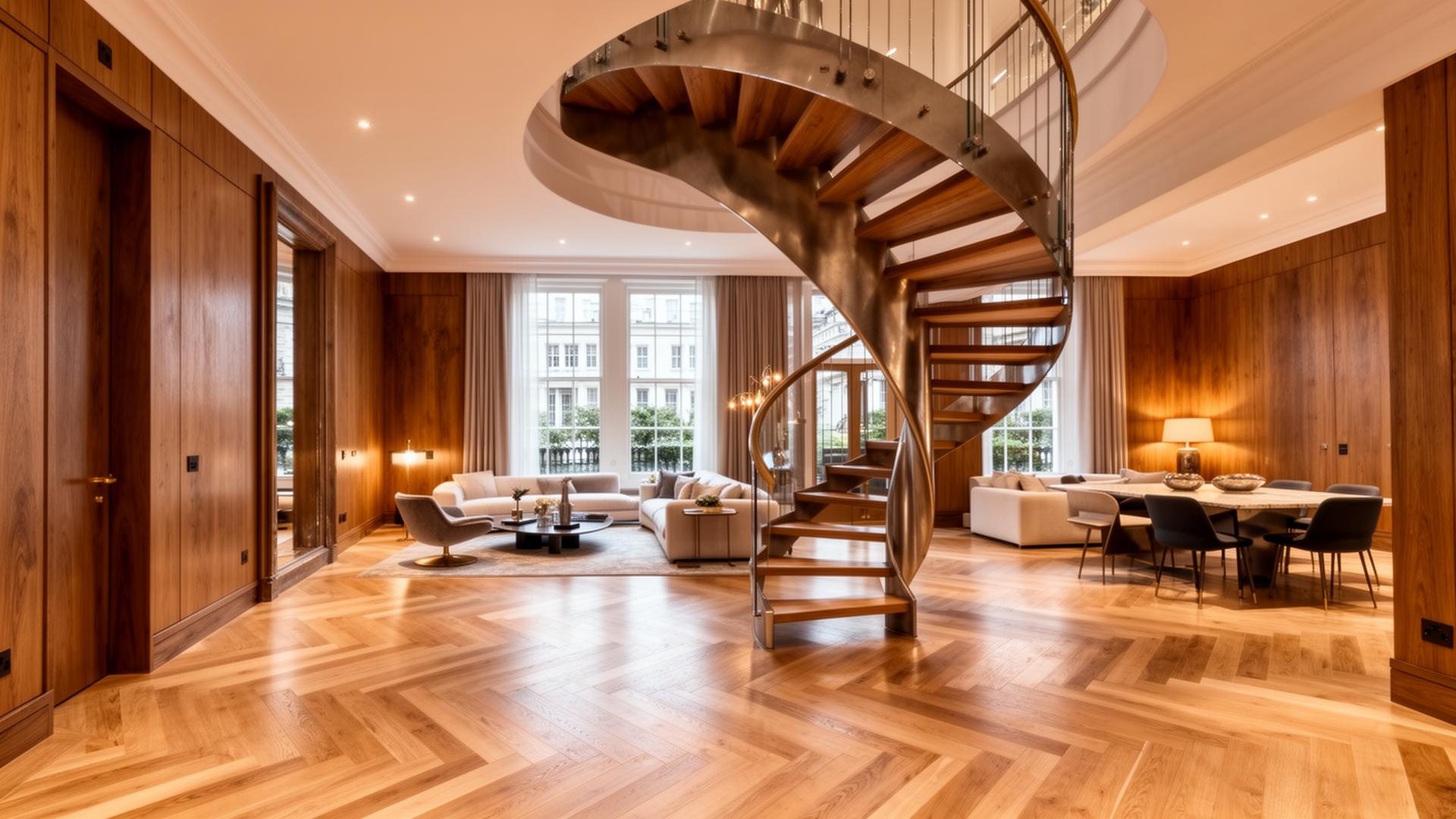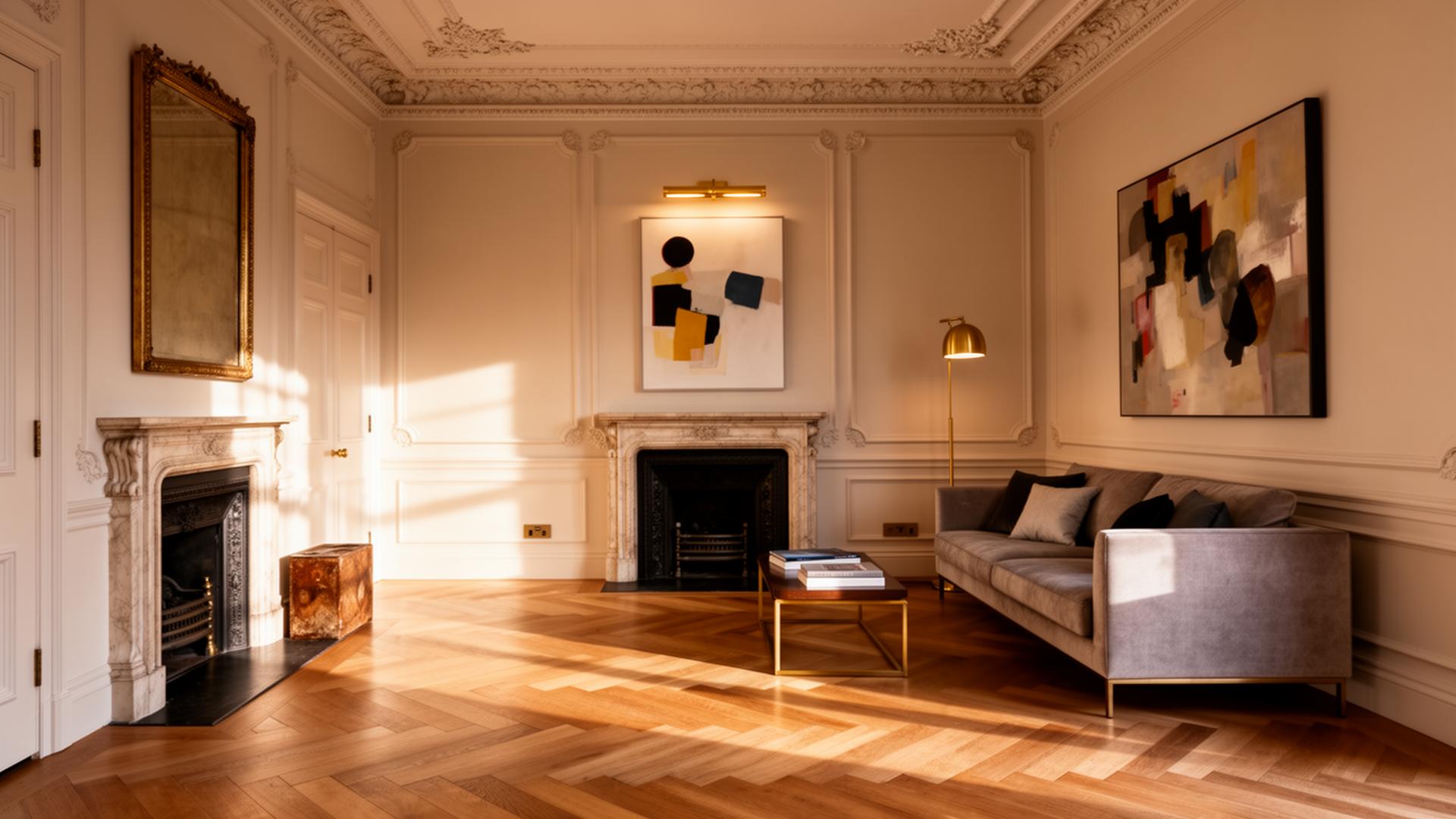
Chelsea's Victorian and Georgian terraces are among London's most desirable homes, but their original layouts rarely suit modern living. A growing number of homeowners are turning to home extension builders in Chelsea to unlock extra living space without moving. In fact, a well-designed extension can increase property value by 20 to 30%, according to local estate agents.
For a wider kitchen, an extra bedroom, or a bright open-plan area, experienced house extension contractors Chelsea can transform your home while respecting its period character. They know how to blend modern layouts with period features, from matching brickwork to fitting bespoke joinery.
Why Choose Professional Home Extension Builders in Chelsea
Chelsea's architecture is tightly regulated. The Royal Borough of Kensington and Chelsea has strict rules on building lines, roof forms, and materials. Hiring a local builder who knows these regulations inside out is essential. Professional home extension builders Chelsea handle everything from feasibility studies to final decoration, saving you time and stress.
A dedicated team also coordinates structural engineers, party wall surveyors, and interior designers. This full-service approach means fewer delays and a cohesive result. Many residents assume a simple rear extension is straightforward, but foundations in Chelsea often need special attention due to clay soil and nearby trees.
Your choice of builder directly affects quality and timeline. Local renovation contractors with a track record in Chelsea will understand the logistics of narrow streets, parking restrictions, and noise covenants.
Types of Extensions for Chelsea Homes
One size does not fit all in Chelsea. The best solution depends on your home's layout, budget, and what you want to achieve. Below is a comparison of the most common options.
| Extension Type | Best For | Approx. Timeline | Planning Permission Likely? |
|---|---|---|---|
| Rear extension builders | Expanding kitchen or living room into the garden | 8-14 weeks | Often permitted development (check depth) |
| Side return extension | Widening a narrow galley kitchen or family room | 10-16 weeks | Yes, especially in conservation areas |
| Loft conversion specialists Chelsea | Adding a bedroom, office, or studio in the roof | 6-10 weeks | Usually permitted development |
| Basement excavation Chelsea | Creating a cinema room, gym, or wine cellar | 20-40 weeks | Required and complex |
Rear extension builders
Side return extension
Loft conversion specialists Chelsea
Basement excavation Chelsea
Each type demands different skills. Rear extension builders in Chelsea, for example, need to manage drainage, party wall agreements, and large glass panels. Side return extension projects often involve removing exterior walls and installing bifold doors. Kitchen extension contractors bring expertise in plumbing, extraction, and layout efficiency.
Loft conversion specialists in Chelsea are familiar with dormer and mansard designs that blend with roofscapes. Basement excavation Chelsea is the most invasive and expensive, but it can double your living area. Whatever route you choose, align your goals with realistic budgets.
The Planning Process for Chelsea Extensions
Before any work begins, you need to understand planning permission Chelsea requirements. The Royal Borough is one of the most conservation-area dense in London. Many homes fall within zones where even small changes to roof tiles or window styles need consent.
Start with an architectural design Chelsea practice that has submitted dozens of applications to the local authority. They will advise on whether your rear extension, side return, or loft conversion qualifies as permitted development or requires full planning. For listed buildings or homes in conservation areas, listed building consent is also mandatory.
Your builder should manage these stages as part of a full service. A good home extension services provider will include site surveys, structural calculations, and submission packages. This coordination prevents costly redesigns or refusal.
- Permitted development: no application needed (but a lawful development certificate recommended).
- Householder planning application: 8-12 weeks for a decision.
- Listed building consent: 12-16 weeks.
- Party wall agreement: 4-6 weeks before start.
Choosing the Right Builders: What to Look For
Not all construction companies have the experience to work with Chelsea's period properties. When vetting home extension builders Chelsea, check three things:
1. Portfolio of local projects - Ask for recent rear extensions, side returns, or loft conversions in Chelsea or similar boroughs. Look for photographs of the build process, not just glossy 'afters'.
2. Client references - Speak to two or three previous clients. A reputable builder will share contact details. Ask about communication, cleanliness, and adherence to budget.
3. Insurance and accreditation - Verify public liability insurance, professional indemnity for design (if applicable), and membership of organisations like the Federation of Master Builders or TrustMark.
Renovation contractors who also offer chelsea building services (such as emergency call-outs or aftercare) often provide peace of mind. Consider a team that can handle both the structural work and the finishing trades like plastering, joinery, and painting.
Remember that the cheapest quote is rarely the best. Chelsea building projects often involve unseen costs for scaffolding, skip permits, and enhanced fire safety. A detailed written quotation that itemises these items is a sign of a thorough builder.
Integrating Design and Construction
A seamless home extension requires a close relationship between designer and builder. Some companies offer both architectural design Chelsea and construction under one roof. This 'design and build' model reduces the risk of miscommunication. The same team that draws your plans is responsible for building them.
For example, a side return extension might involve moving a back wall, installing steel beams, and reconfiguring the kitchen. A design-and-build contractor will foresee challenges like existing services running through walls or floor level differences, and adjust drawings accordingly.
This integrated approach also speeds up the timeline. Instead of waiting for architects to issue drawings, builders provide real-time feedback on what can be built efficiently. Many Chelsea homeowners appreciate this collaborative pace.
Final Checks Before Breaking Ground
Once you have planning permission and a signed contract, prepare your property and neighbourhood. Inform neighbours about upcoming noise and deliveries. Most Chelsea leases and freeholds require a party wall agreement before excavation or wall removal.
Make sure the builder secures all necessary insurances, including labour warranty and material defects cover. Site security is also important: Chelsea's narrow streets make it easy for tools and materials to go missing. A builder with secure storage reduces this risk.
Set a contingency of 10-15% of the budget for unforeseen issues. In older homes, you may discover poor brickwork, old drains, or asbestos. A reliable renovation contractor will flag these early and propose solutions that stay within the revised budget.
Conclusion
A rear extension can add up to 40 square metres of ground-floor living space, turning a dark kitchen into a light-filled family hub. With home extension builders Chelsea who specialise in period properties, you can achieve this without sacrificing original features like cornicing or fireplaces. Start with a clear brief, verify the builder's planning experience, and set aside a contingency for surprises.
Then contact a team that specialises in property refurbishment projects in West London. They handle everything from architectural design to the final coat of paint, ensuring your Chelsea home gains both space and character.